Health and fitness are more than filtered selfies or fleeting trends—they are quiet acts of self-love that empower you to show up as your strongest, most radiant self. With gentle morning stretches, a nourishing smoothie or a sunset walk that clears the mental clutter, you cultivate a body that carries you the beautiful chaos of womanhood. Pair movement with foods that honor your hormones, rest that restores your glow, and sisters who celebrate every milestone, and watch resilience bloom. A woman who chooses strength today may one day lift her community, chase her dreams, or simply stand taller in her own story tomorrow. Start where you are, keep it joyful, and watch your wellness flourish—one breath at a time.



Understanding Macros for Nutrition
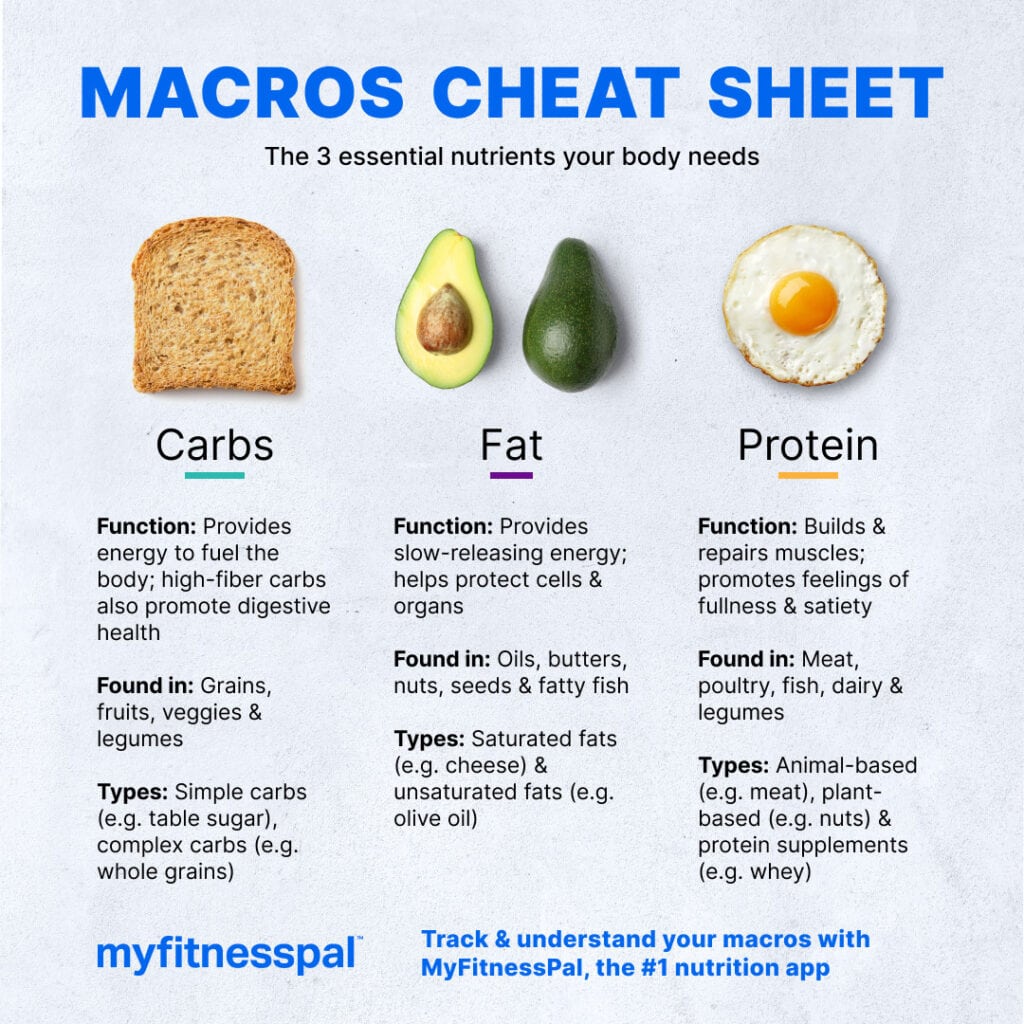
Macros, short for macronutrients, are the primary nutrients your body needs in large amounts to function: protein, carbohydrates, and fats. They provide energy (calories) and serve specific roles in health, fitness, and body composition. Understanding them is key to tailoring your diet for goals like weight loss, muscle gain, or maintenance, often used in flexible dieting, keto, or bodybuilding. Below, I’ll break down what macros are, their roles, how to calculate them, and how to apply them practically, based on current nutrition science and user-friendly insights from sources like fitness blogs and community discussions (e.g., Reddit’s r/nutrition).
What Are Macros?
- Protein: 4 calories per gram. Builds and repairs tissues (muscles, organs); supports immunity and hormones. Sources: chicken, fish, eggs, tofu, lentils.
- Carbohydrates: 4 calories per gram. Primary energy source for brain, muscles, and daily activities. Sources: rice, oats, fruits, vegetables, bread.
- Fats: 9 calories per gram. Supports hormone production, nutrient absorption, and energy storage. Sources: nuts, avocados, oils, salmon.
- (Note: Alcohol, at 7 cal/g, is sometimes considered a “fourth macro” but isn’t essential and isn’t typically tracked for nutrition goals.)
Each macro plays a unique role, and their balance affects energy levels, body composition, and performance. Micronutrients (vitamins, minerals) are also crucial but don’t provide calories and aren’t tracked as “macros.”
Free Macros Calculator
https://blog.myfitnesspal.com/free-macro-calculator/
Free Apps to track Macros for weight loss
 The Way of Wisdom